
Bottle Feeding
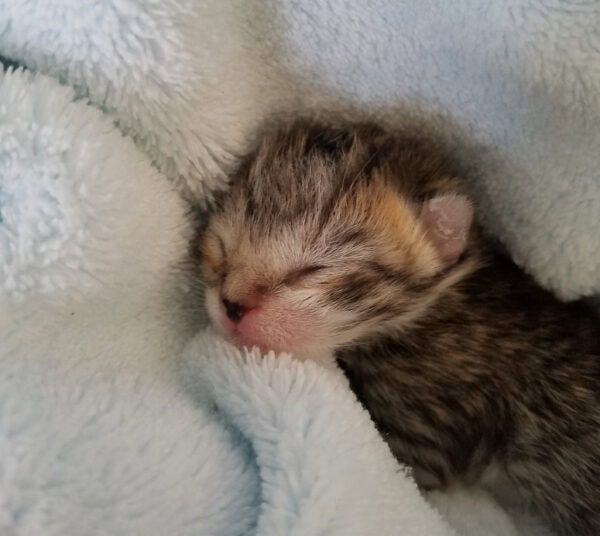
Summary Caring for premature kittens is challenging. Factors to consider include how prematurely they are born and their birth weight, as well as the knowledge and skill of the caregiver.…
The NKC Kitten Care “Go Kit” outlines and describes fifteen important, helpful items to assemble in a portable kit to be prepared for the arrival of neonatal orphaned kittens to…
There are many reasons why a kitten doesn’t latch to the nipple and nurse from a bottle. This resource lists reasons why a kitten may not be nursing and offers…
Kittens need the content composition of queen’s milk or a quality kitten milk replacer to meet their specific nutritional requirements to grow and thrive. The NKC Milk Content Comparison Chart…
The NKC Kitten Feeding Chart provides general feeding guidelines and the recommended amount of food and number of feedings per day for kittens, starting at one week of age. These…
This downloadable resource describes treating orphaned, neonatal kittens and puppies with a single penicillin G injection to pre-empt bacterial imbalance as these neonates switch from their mother’s milk to formula,…
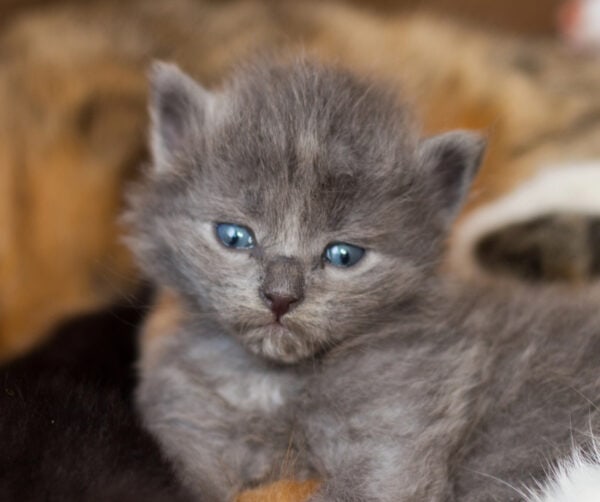
Summary Caring for bottle kittens can be challenging, especially for novice caregivers. Being vigilant and familiar with the common problems you may encounter with these kittens will help you address…
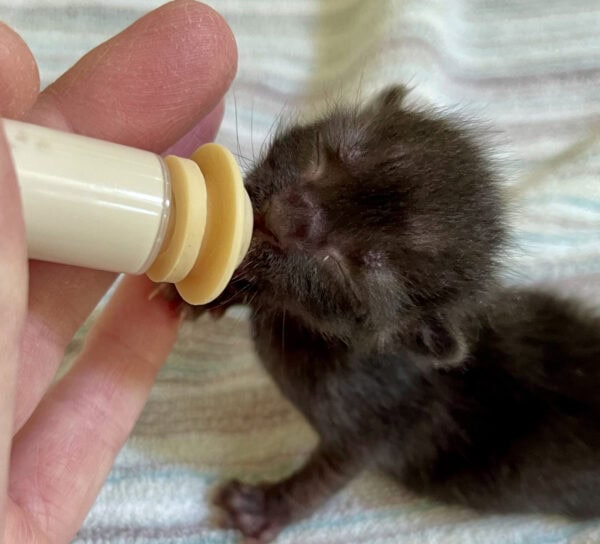
Summary Caring for bottle kittens is more involved than caring for older kittens who can eat and eliminate on their own and regulate their body temperature. The caregiver must perform…
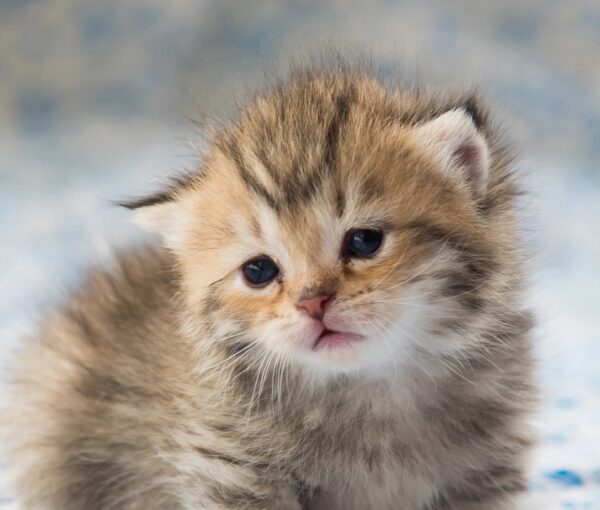
Summary In addition to the basic kitten care supplies outlined in the Basic Supplies Needed When Caring for Kittens article, bottle kittens require their own special supplies. Depending on the…