
Premature
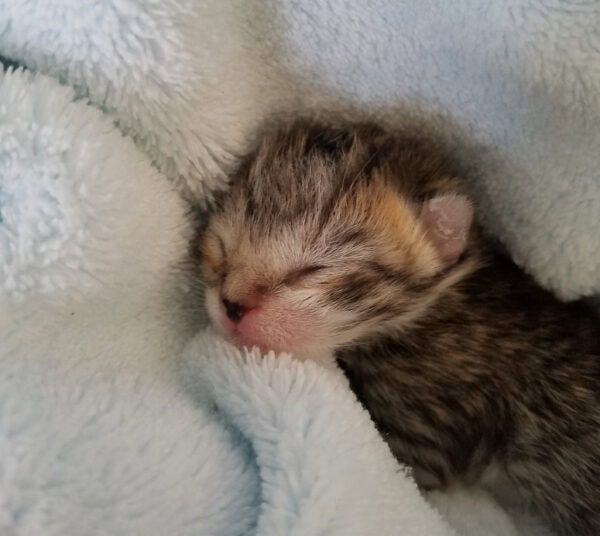
Summary Caring for premature kittens is challenging. Factors to consider include how prematurely they are born and their birth weight, as well as the knowledge and skill of the caregiver.…
This detailed guide provides the basic steps for starting a kitten-focused rescue organization that works collaboratively with shelters to save kittens who would otherwise be euthanized upon intake or soon…
Fleas can be deadly to a neonatal kitten, so it’s critically important to perform a thorough intake exam on all kittens, including using a flea comb to check for fleas…
The NKC Kitten Stool Chart identifies nine colors you may observe in a kitten’s stool, the possible causes and significance, and the action needed to address the issue(s) responsible for…
There are many reasons why a kitten doesn’t latch to the nipple and nurse from a bottle. This resource lists reasons why a kitten may not be nursing and offers…
Kittens need the content composition of queen’s milk or a quality kitten milk replacer to meet their specific nutritional requirements to grow and thrive. The NKC Milk Content Comparison Chart…
This resource, written by Julie Levy, DVM, Maddies Professor of Shelter Medicine and Director, Maddies Fund Shelter Medicine Program at University of Florida, identifies sepsis as the most common cause…
This downloadable resource describes treating orphaned, neonatal kittens and puppies with a single penicillin G injection to pre-empt bacterial imbalance as these neonates switch from their mother’s milk to formula,…
The NKC Kitten Age Chart provides week-by-week photos with a list of developmental characteristics for kittens from newborn to 8 weeks of age.