
Newborn (0-4 weeks)

Summary Kittens’ best chance of survival is being with their mother through their weaning process, and it’s best to leave them in place with their mother whenever possible. So, before…
Read More
Summary Carefully observing the daily changes of weaned kittens from their weight and eating, defecating and urinating habits to energy level is essential. Such changes can be the first indication…
Read More
Summary Bottle kittens are small and somewhat limited in mobility, so there are several choices for housing them that are easily accessible to the caregiver. Learn about different options to…
Read More
Summary Establishing and being familiar with a kitten’s baseline condition allows you to promptly provide necessary care and note changes over time. A caregiver needs to examine kittens even if…
Read More
Summary Learn how to determine a kitten’s age, including the condition and/or presence of an umbilical cord and teeth, the degree of openness of eyes and ears, and mobility and…
Read More
Summary Caring for bottle kittens can be challenging, especially for novice caregivers. Being vigilant and familiar with the common problems you may encounter with these kittens will help you address…
Read More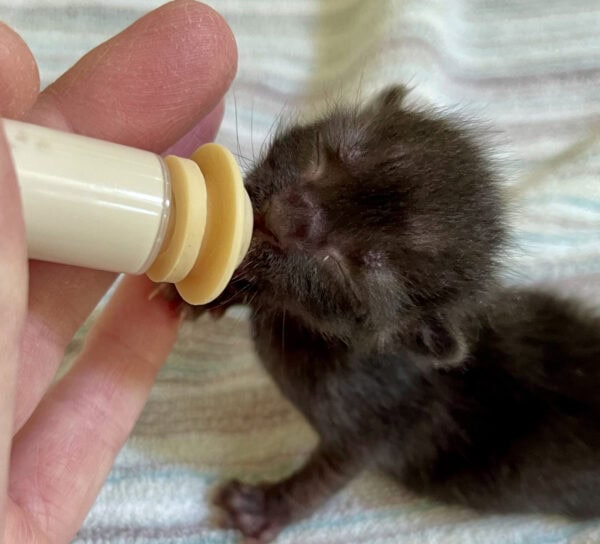
Summary Caring for bottle kittens is more involved than caring for older kittens who can eat and eliminate on their own and regulate their body temperature. The caregiver must perform…
Read More
Summary Before bringing kittens home, it’s smart to have basic supplies for their care on hand. Check out our suggestions for basic supplies for kittens of any age and why…
Read More
Summary In addition to the basic kitten care supplies outlined in the Basic Supplies Needed When Caring for Kittens article, bottle kittens require their own special supplies. Depending on the…
Read More